
Custom software for London businesses

Each week you decide how much to make for Saturday at Borough while restaurant orders are still arriving by message. We build the one list a London producer can make that decision from.

Software for London's makers and food producers

A London food producer's software starts as a single list where every order arrives, however it was placed. A chef sends tomorrow's order by message the night before. A shopper pays at the stall's card reader. Someone else buys from the online shop. Today each sits in its own order book, and stock is whatever someone remembers. The list comes first because nothing else works without it: stock cannot come down as it is sold, and tomorrow's production cannot be planned from what is promised. The chef's message is read in and shown to you for a quick check, so what goes out is still your decision. If a shop or stock product you already pay for can hold that list, we use it. Scope and price are fixed in a brief before building starts.

The people the list serves are spread across London. Shoppers at Borough or Broadway Market want the thing they came for to be on the stall. Restaurants and shops that buy on account want their standing order to turn up each week without anyone retyping it, on a delivery run set out by area, followed by an invoice that matches what was delivered. Online customers want the shop to offer only what is really in stock. All of them judge the producer by whether what was promised arrived.

Larger buyers ask the same thing more strictly. A restaurant group, a department store or a buyer overseas wants to see reliability before placing a first order, and a small producer can show it once orders, deliveries and invoices are all on record. The first step beyond London is a wholesale customer in Edinburgh. That buyer orders through the same list, and all that is added to the tool is their standing order and how the delivery reaches them. An importer in New York can follow, and what gets added then is a second currency, its own delivery terms and the paperwork for sending goods abroad.

What you receive

  • Internal tools that replace spreadsheets and manual steps.
  • Customer portals where your clients see their own information and act on it.
  • Connections between systems that do not talk to each other.
  • A first product, from an idea to a release real users can try.

How it runs

  • We map the work: who uses it, what they need to get done, the records and rules involved.
  • We define the smallest useful release and check whether an existing product can do part of the job.
  • We build in pieces you can review, testing real tasks, permissions and what happens when something fails.
  • We release and hand over, with operating notes and a plan for what comes next.
Everything that is included

Scope and investment

Start with the brief: £1,850. We write down what the software has to do, list the screens and give you a fixed price and a timeline. The £1,850 is credited in full when you complete the build with us.

Work you can inspect

The Tucker CPA website home page, built by Butler Agency

Tucker CPA

We built the brand, the website and a national content system for a new CPA firm, and we handle its SEO.

Read the case study
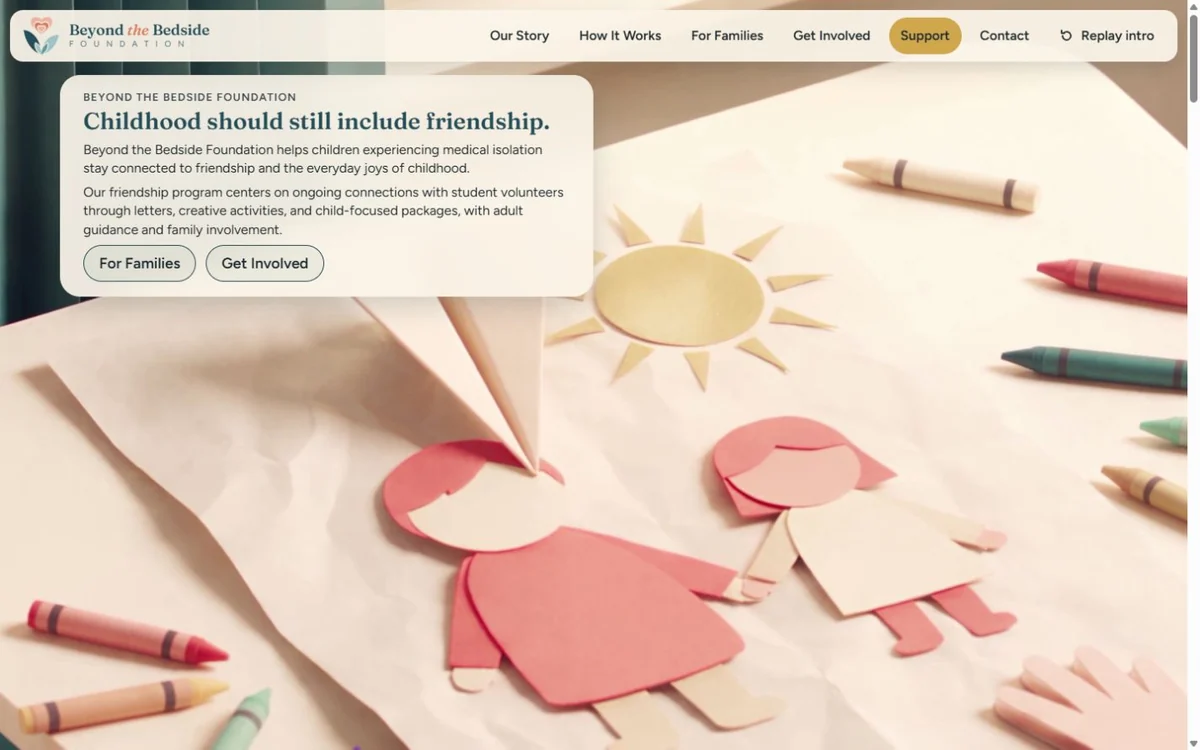
The Beyond the Bedside Foundation website home page, built by Butler Agency

Beyond the Bedside Foundation

A website for a new children’s foundation, built for families, student volunteers and supporters.

Read the case study

Questions before we start

Restaurants order by message late at night. Can the tool take those?

Yes. Orders sent by message or email are read into the list. A chef's shorthand, such as "same as last week", is matched to that restaurant's earlier orders, and anything the software is unsure of is marked for you to check in the morning.

Can it work with the card reader and online shop we already have?

Usually. Where they offer a connection, sales flow in without retyping. If the card reader or the shop has no connection, you hear that from us before you commit, and its sales are entered by hand once a day.

We sell at Borough and at Broadway Market. Can each stall see what the other has left?

Yes, where the card readers offer a connection. Both stalls sell from the same stock record, so whoever is at Broadway Market can look on a phone and see what Borough still has before promising it to a customer.

What would you like your business to do next?

Tell us where the work gets stuck or where you want to grow. We will help you choose a practical first step.

Discuss your project